
Tyseley has an important role to play in Birmingham’s future, bringing together industrial heritage, clean technology innovation and opportunities for sustainable economic growth.
On 26th October, TEP Birmingham welcomed the Leader and Deputy Leader of Birmingham City Council for a visit exploring how the area can build on its existing strengths to support the city’s next chapter of industrial development.
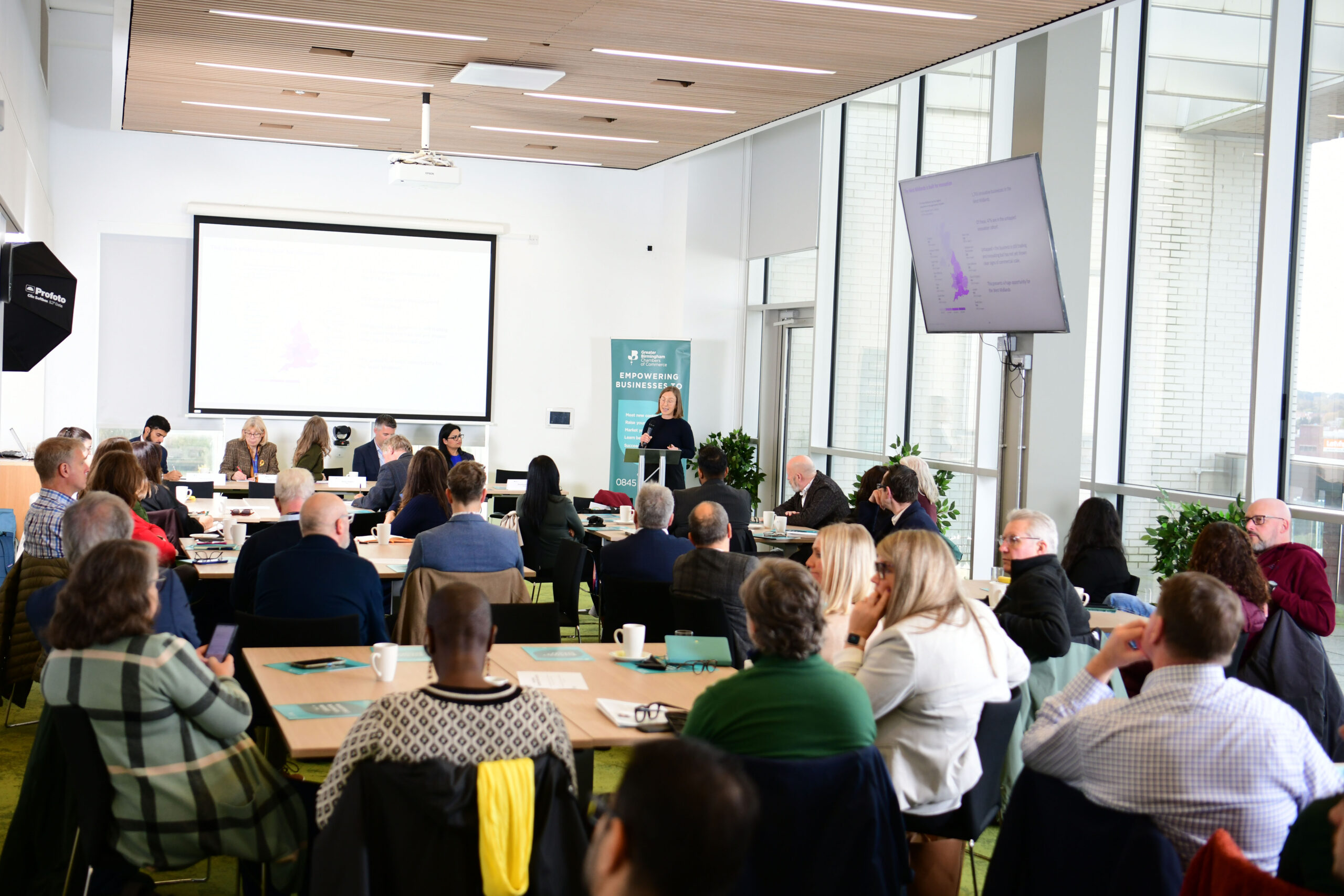
Hosted at the Birmingham Energy Innovation Centre (BEIC), the visit brought together representatives from TEP Birmingham, the University of Birmingham, Birmingham City Council and Glenn Howells Architects to discuss a shared vision for Tyseley, with a focus on regeneration, investment and opportunities for local communities.
Building on Tyseley’s industrial heritage
Robert Horsfall, Head of Finance and Strategic Projects, opened the visit with an introduction to TEP Birmingham, outlining the site’s history, its evolving role in clean energy innovation and its commitment to collaboration.
With more than 300 years of industrial heritage, Tyseley has a long history of adapting to changing technologies and industrial needs. Today, that legacy continues through a growing ecosystem of clean energy businesses, research facilities and pioneering technologies.
The visit provided an opportunity to explore how established industrial land can support new industries and investment while retaining its role as a place for businesses to grow, innovate and create jobs.
A vision for a connected innovation district
Glenn Howells Architects presented a vision for Tyseley that looks beyond individual development sites, exploring how the wider area could develop into a sustainable innovation district.
The discussion considered how buildings, infrastructure, public spaces and improved connections could work together to create a more attractive and productive environment for businesses and communities.
The canal corridor was a key part of this vision, with opportunities to strengthen connections with the Canal & River Trust and link Tyseley more effectively with the wider regeneration of East Birmingham. A coordinated approach to development could help bring together different landowners and partners, ensuring that investment delivers benefits across the area.
Connecting research, innovation and industrial growth
Professor Karl Dearn outlined the University of Birmingham’s contribution to decarbonisation, innovation and industrial strategy, highlighting the role of the Climate Innovation Platform and BEIC in helping businesses develop and commercialise new technologies.
Tyseley is already home to important assets supporting this ambition, including BEIC, alongside plans for the National Centre for the Decarbonisation of Heat and opportunities in critical materials recycling.
Together, these facilities create opportunities to connect academic research with industrial application, helping businesses bring new technologies to market, develop skills and support the growth of clean energy and advanced manufacturing.
By bringing research, infrastructure and industry together in a real-world setting, Tyseley can help turn innovation into commercial opportunity, supporting economic growth across Birmingham and the wider West Midlands.
Turning ambition into opportunity
Andy Williams outlined Birmingham City Council’s strategic priorities, positioning Tyseley as an important part of the East Birmingham Inclusive Growth agenda and the city’s wider economic ambitions.
The discussion explored how the proposed Supplementary Regeneration Framework (SRF) could translate the area’s vision into a coordinated programme of development and investment. Working alongside the Mayoral Development Corporation and the wider Mayoral Development Zone, the framework could help attract investment, support delivery and bring forward opportunities for growth. The proposed Tyseley Strategic Alliance (TSA) would provide a partnership approach to shaping and progressing this work.
The visit concluded with a targeted site tour, connecting these ambitions with the businesses, facilities and development opportunities already taking shape at Tyseley.
Working together for Birmingham’s future
The visit reinforced the importance of partnership in realising Tyseley’s potential. By bringing together local government, academia, industry and development partners, the area has an opportunity to build on its industrial foundations and create a connected innovation district that supports business growth and inclusive regeneration.
At TEP Birmingham, this ambition is already reflected in the work taking place across our ecosystem. By providing the infrastructure, expertise and partnerships needed to develop clean technologies, we are helping demonstrate how industrial innovation can contribute to a stronger regional economy.
With a shared vision and a coordinated approach to investment, Tyseley can continue to play an important role in shaping Birmingham’s future, creating opportunities for businesses and delivering lasting benefits for the communities around us.
Learn more about our vision here.