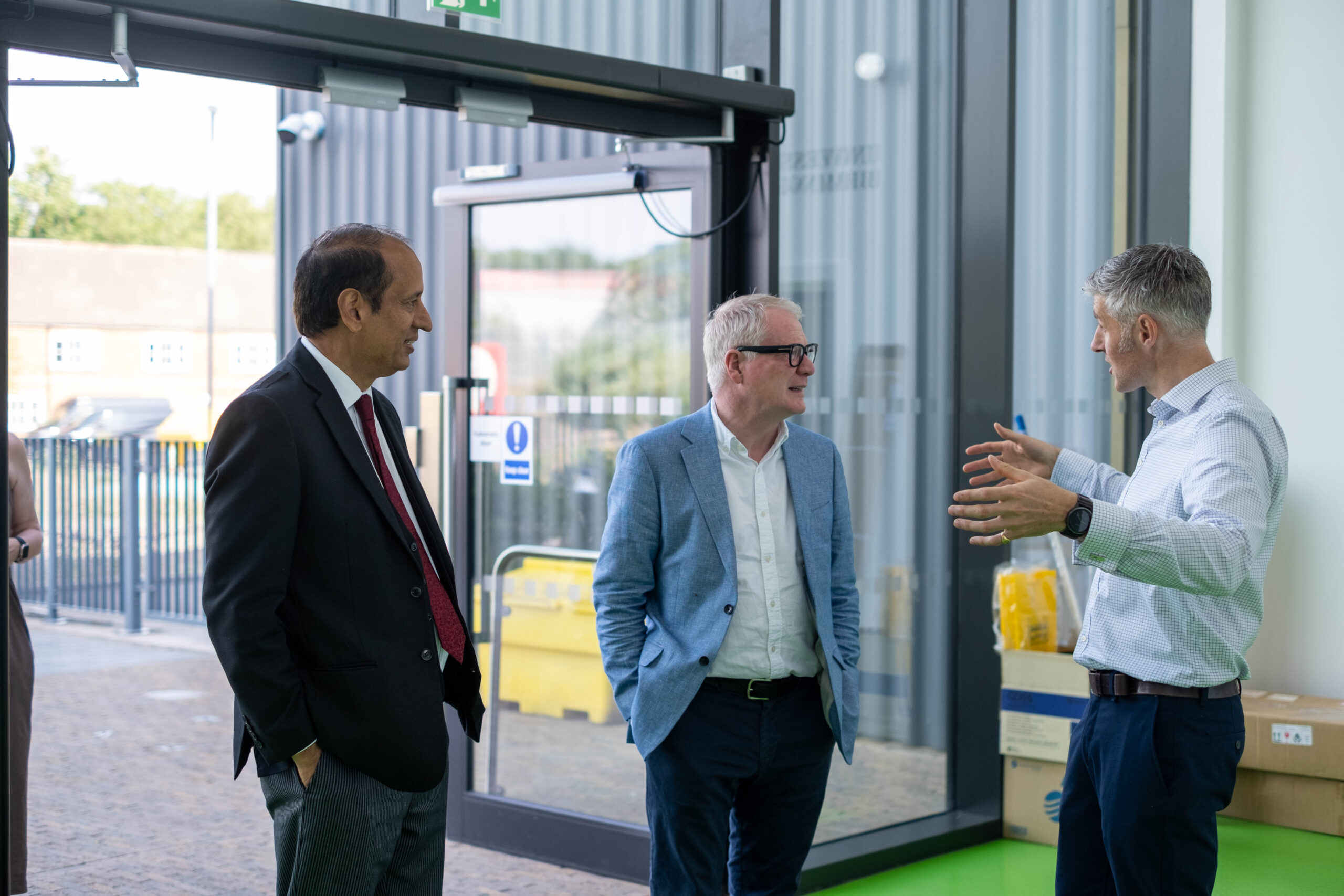

For more than three centuries, Webster & Horsfall has played a role in Birmingham’s industrial story. In 1860, the business centred all its operations in Hay Mills, where it has been ever since. What began as an area powered by watermills during the Industrial Revolution has gradually evolved into what is now TEP Birmingham, a centre for clean energy and low-carbon innovation.
The history of Webster & Horsfall and our site reflects how industry in Britain has continuously adapted over time, from traditional manufacturing and engineering through to today’s critical focus on clean and sustainable growth.
In this blog, we take a look back at the history of our business, exploring how our heritage continues to shape the work taking place at TEP Birmingham today, as well as our ambitions for the future.
Discovering our industrial heritage
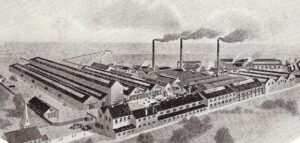
Founded in 1720, the Webster & Horsfall Group has spent more than 300 years building a reputation for engineering and manufacturing excellence.
Operating in part from our historic Hay Mills site since 1850, which today you’ll find as TEP Birmingham, the family-owned business became known around the world for its specialist wire manufacturing and wire rope solutions through the businesses Webster & Horsfall, and Latch & Batchelor.
The company contributed to major engineering milestones over the years. Its patent steel wire was used in deep cast mining and internal combustion engines, while one of its most significant achievements was supplying wire for the first successful transatlantic telegraph cable in 1866.
At the time, this was a breakthrough that transformed global communication.
From water power to clean energy
The TEP Birmingham site has always adapted to the energy systems of its time.
Long before modern electricity networks, the River Cole powered a series of watermills that supported local manufacturing and production. As industry evolved, the site moved with it, introducing steam-powered and later electrical machinery to support growing demand and new technologies.
That spirit of innovation is still visible today. TEP Birmingham has grown from this industrial heritage into a hub for clean energy innovation, supporting developments in low-carbon transport, smart energy systems and circular economy technologies.
The site continues its long connection with energy generation. Today, a 10MW waste wood biomass plant supplies renewable electricity to manufacturing operations onsite, while projects involving hydrogen – such as a pioneering hydrogen kitchen – and other clean technologies are helping shape the future of sustainable industry here in the heart of Birmingham
Looking ahead
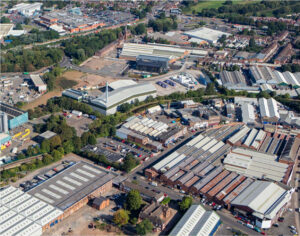
While the industries and technologies may have changed over the years, the thinking behind TEP Birmingham has remained impressively consistent: finding practical ways to use available resources, support industry and respond to new challenges.
As TEP Birmingham continues to grow, our focus is on building partnerships across industry, academia and government to help scale clean technologies and support the transition to Net Zero and energy security.
By creating space for collaborative innovation, investment, and collaboration, the site is helping shape the next chapter of Hay Mills’ industrial story, and improving the lives of its residents.
Want to be involved in the future of the development of the Hay Mills area? Get in touch here: Contact – TEP Birmingham, formerly Tyseley Energy Park.