To create a blueprint for a world-leading clean growth innovation ecosystem for delivering scalable, real-world solutions that unlock economic growth that is better for people and the planet.
To build on our proud industrial heritage to drive scalable, best-in-class energy systems and clean technology innovations that are founded on collaborative endeavour between industry, academia and government and which help unlock growth in the green economy and prosperity in the region and beyond.
David Horsfall, Director of Property & Sustainability, TEP Birmingham
Clean energy
Circular energy
Skills & workforce development
Investment & partnership
10-Year Outlook
Over the next decade, TEP Birmingham aims to scale its innovation ecosystem into a world-leading model for clean growth, expanding partnerships across industry, academia, and government to deliver real-world impact. The ambition is to unlock over £1 billion in economic value, drive inclusive job creation, and empower the West Midlands to lead the UK’s journey to net zero and a thriving green economy.
Our Story & Legacy
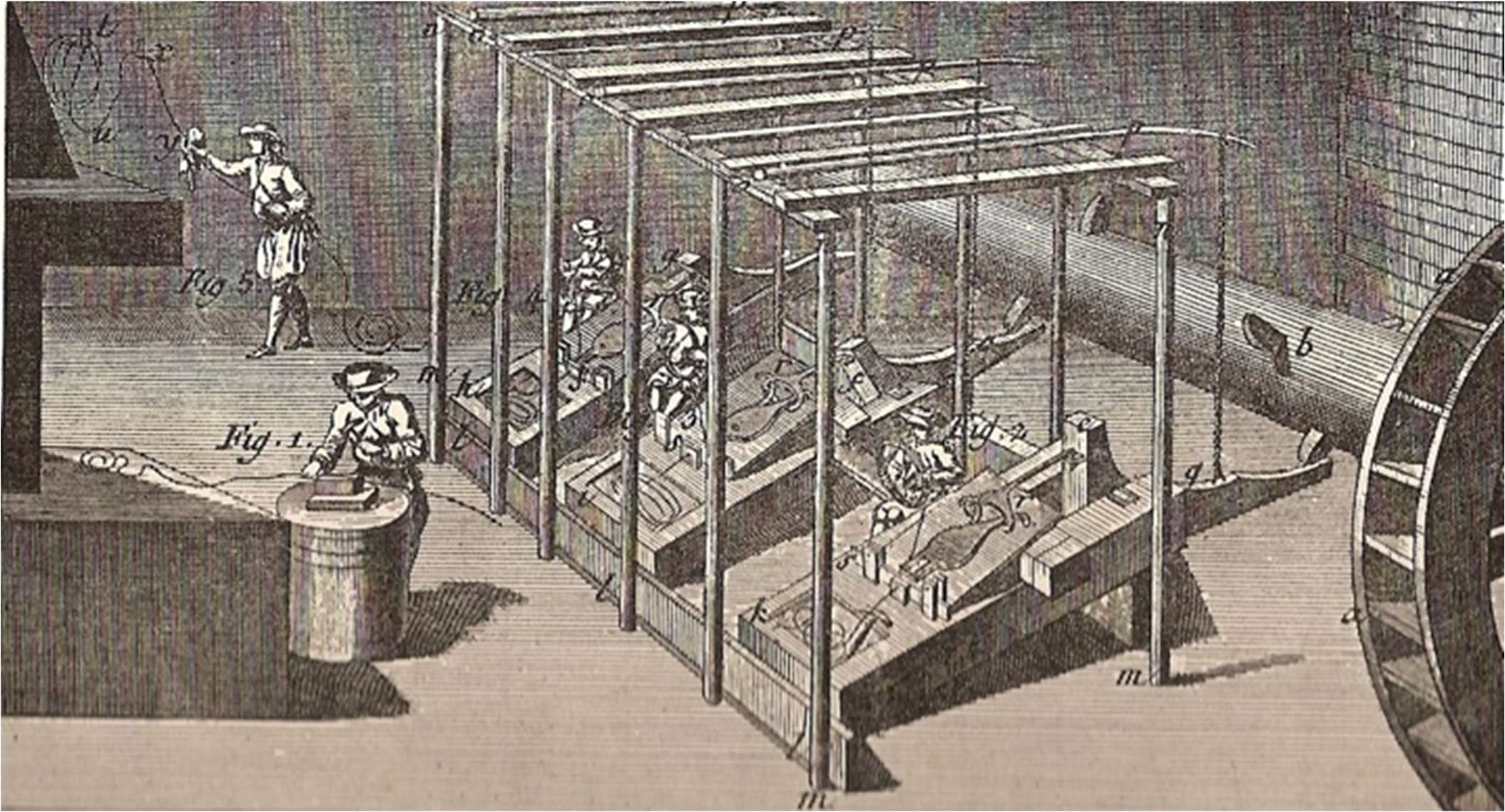
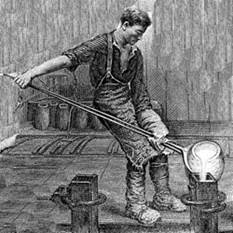
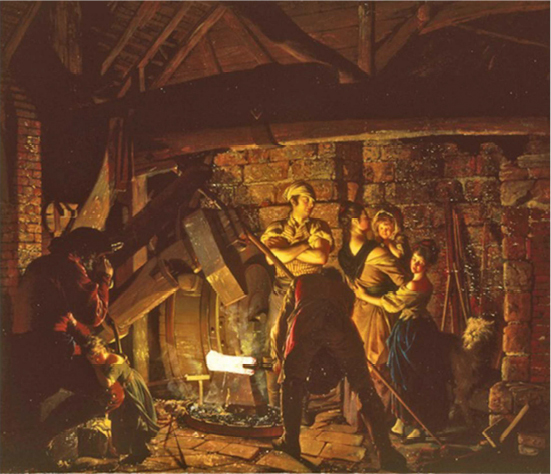
For over 300 years, the story of Webster & Horsfall and the transformation of its historic Birmingham site into what is known today as TEP Birmingham embodies the shifting tides of British industry — from the heart of the Industrial Revolution through global manufacturing influence, to the forefront of 21st-century sustainable energy innovation.
1720
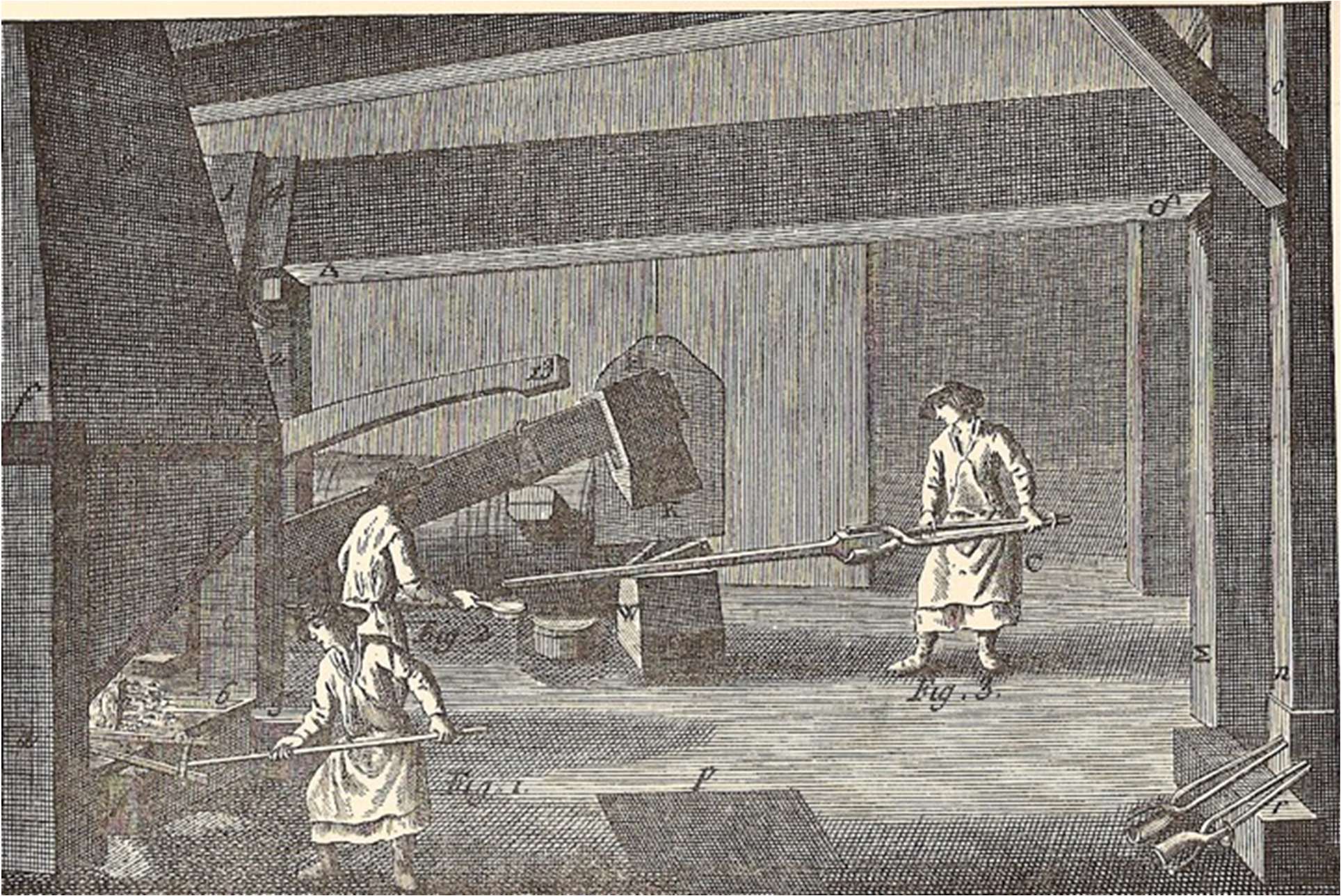
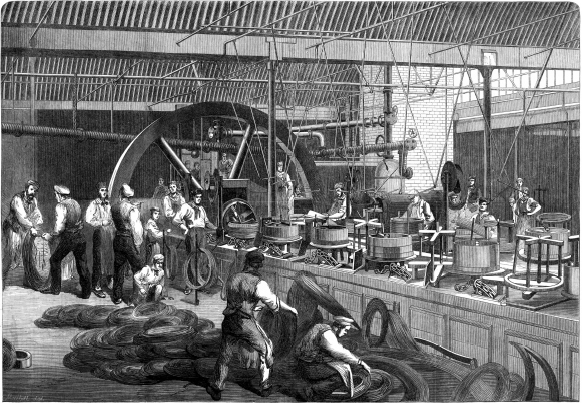
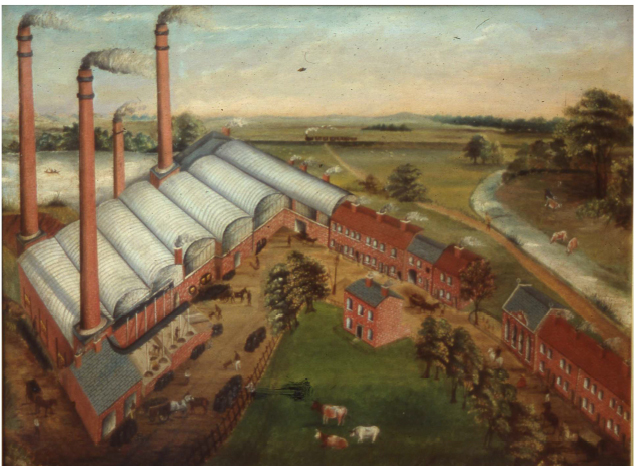
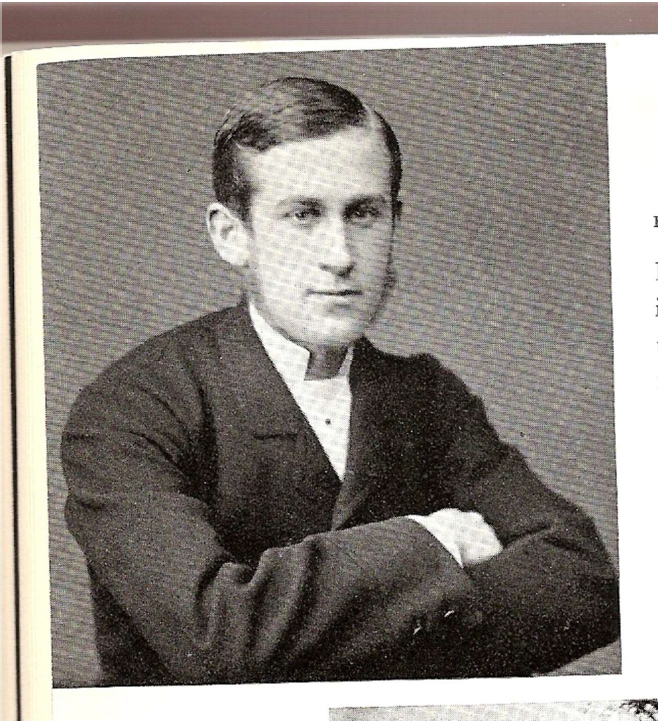
Founded as a wire drawing business by John Webster, rooted in Birmingham’s industrial heritage.
1866
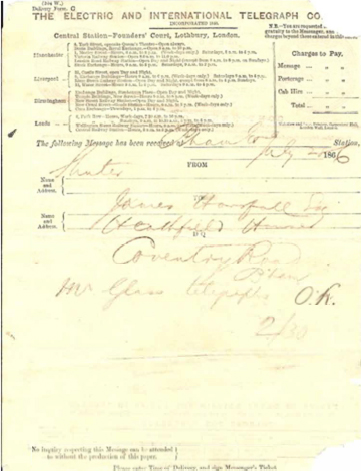
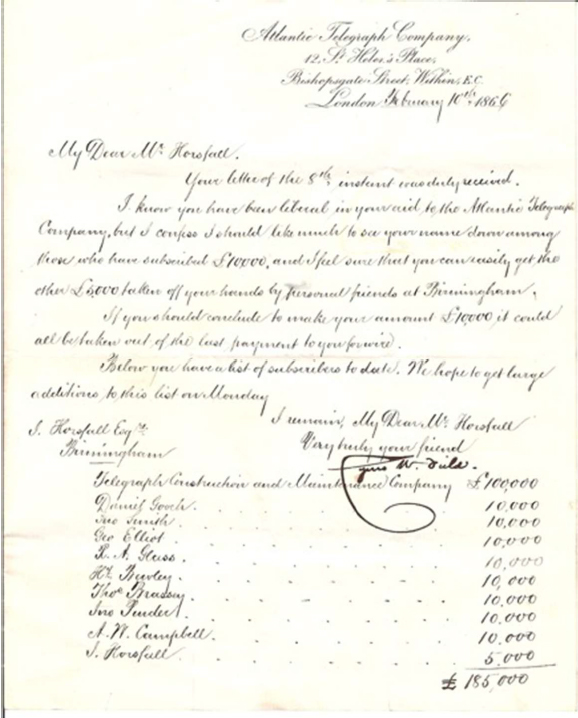
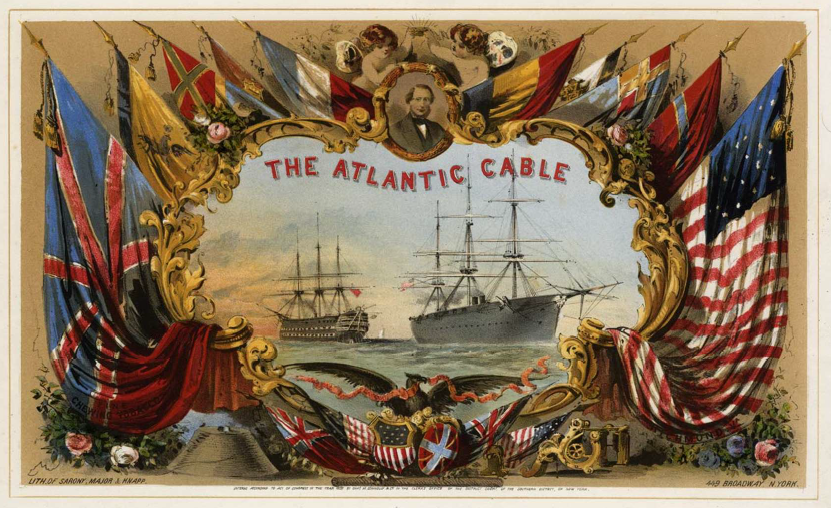
Webster & Horsfall wire used in the first successful Transatlantic Telegraph Cable, marking early innovation impact.
1914
Webster & Horsfall played a cruicial role during WWI where they were the sole manufacturers of shell fuse spring wire, along with anti-submarine netting, wire for mines, aircraft and balloon cables.
1949
The company set up the Candadian manufacturing plant to diversify its operations and was a key part of their 20th-century history as they transitioned into a smaller, more efficient global specialist in high-performance wire.
1980
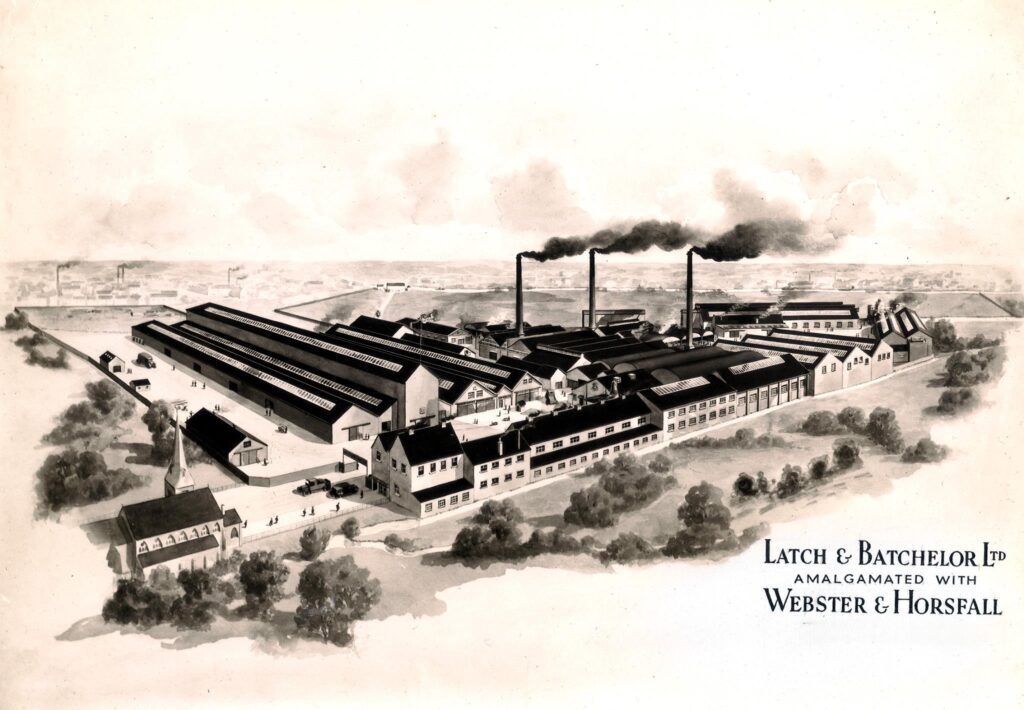
Latch & Batchelor, Webster & Horsfall's sister company, start trading special wire ropes to the UK & Irish Crane Rope markets.
2010
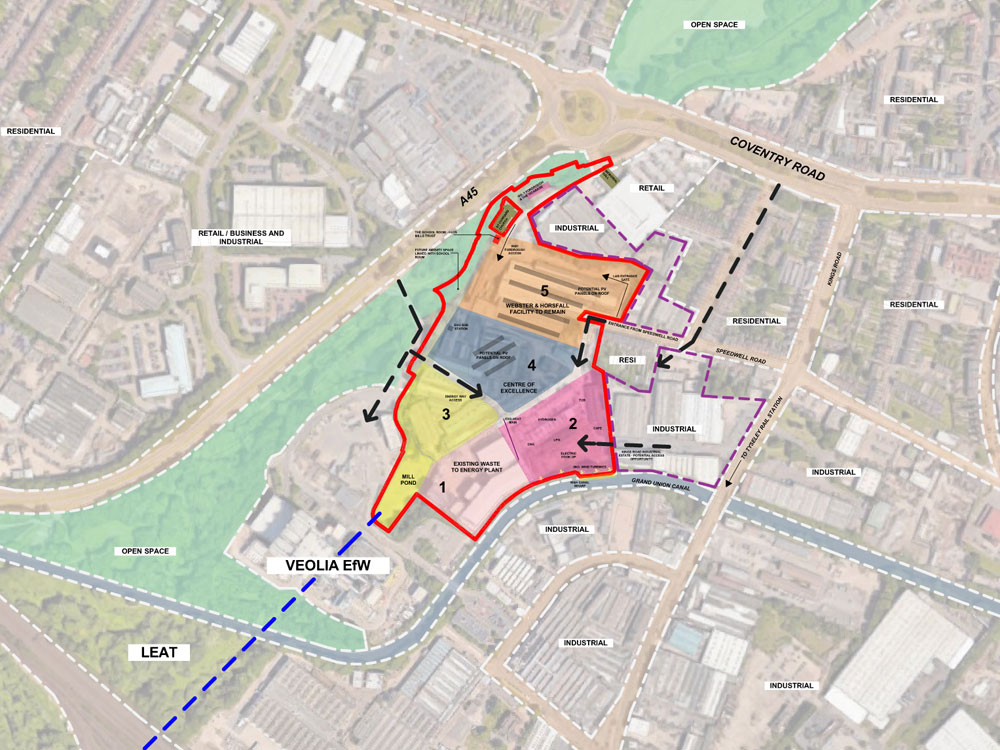
Planning submitted to develop Tyseley Energy Park, combining heritage manufacturing with a green technology vision.
2013
Construction of a 10MW waste wood biomass power station begins, pioneering renewable energy on site.
2016
Masterplan launched for a four-phase development delivering low and zero-carbon power, transport, heat, waste, and recycling solutions, and a biomass power plant becomes operational.
2018
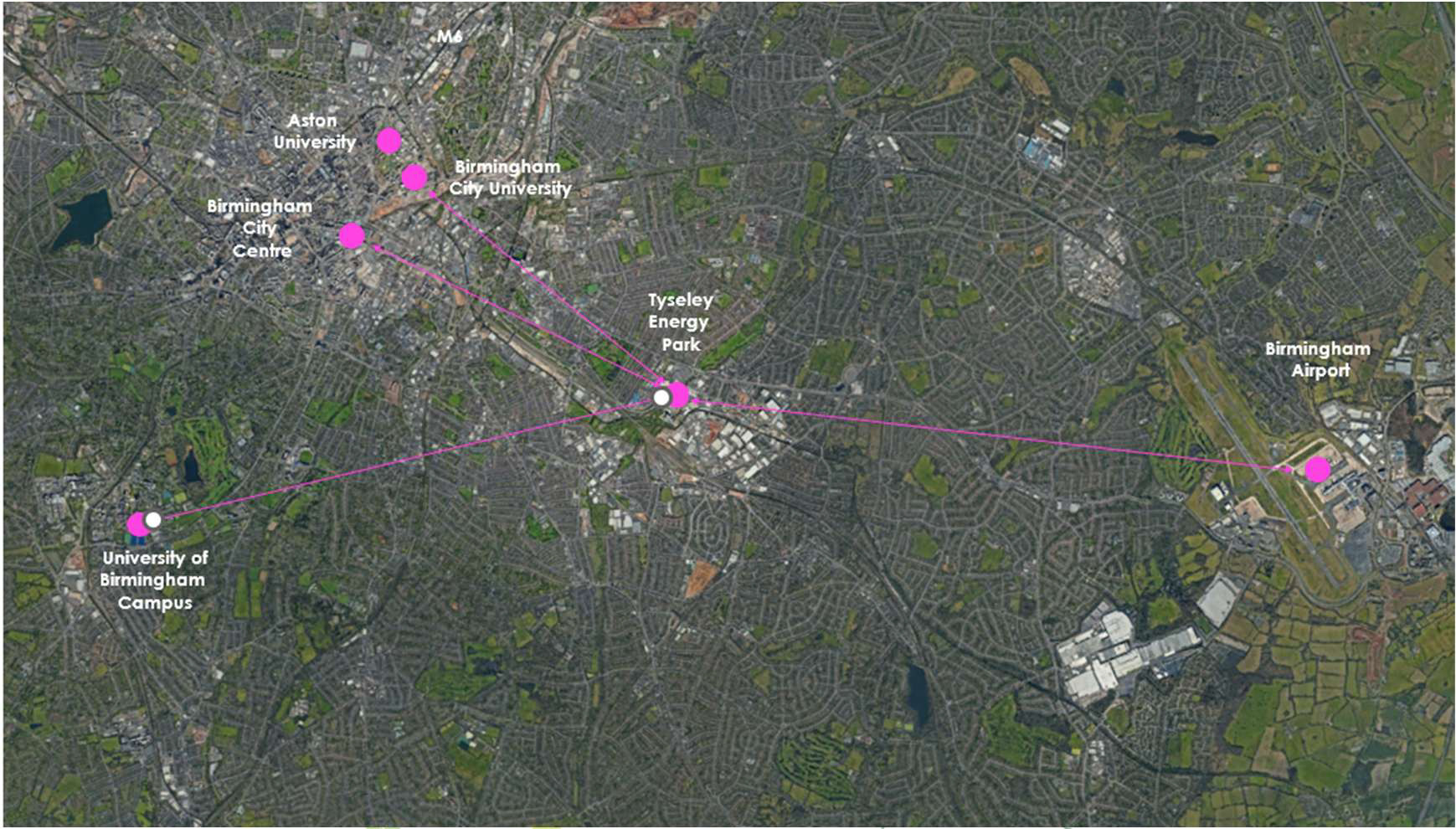
Collaboration agreement signed with the University of Birmingham to tackle energy poverty and air quality, as work begins on the UK’s first low and zero emission refuelling station.
2019
Launch of the UK’s first low and zero emission refuelling station, supporting cleaner transport and improved air quality in the West Midlands
2020
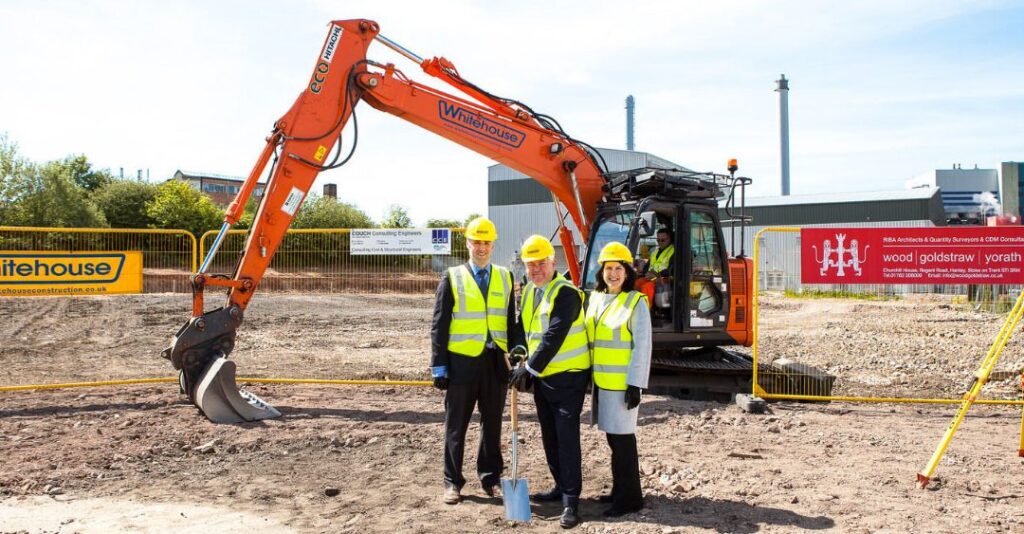
Construction begins on £8.5 million Birmingham Energy Innovation Centre to support sustainable energy research and innovation.
2021
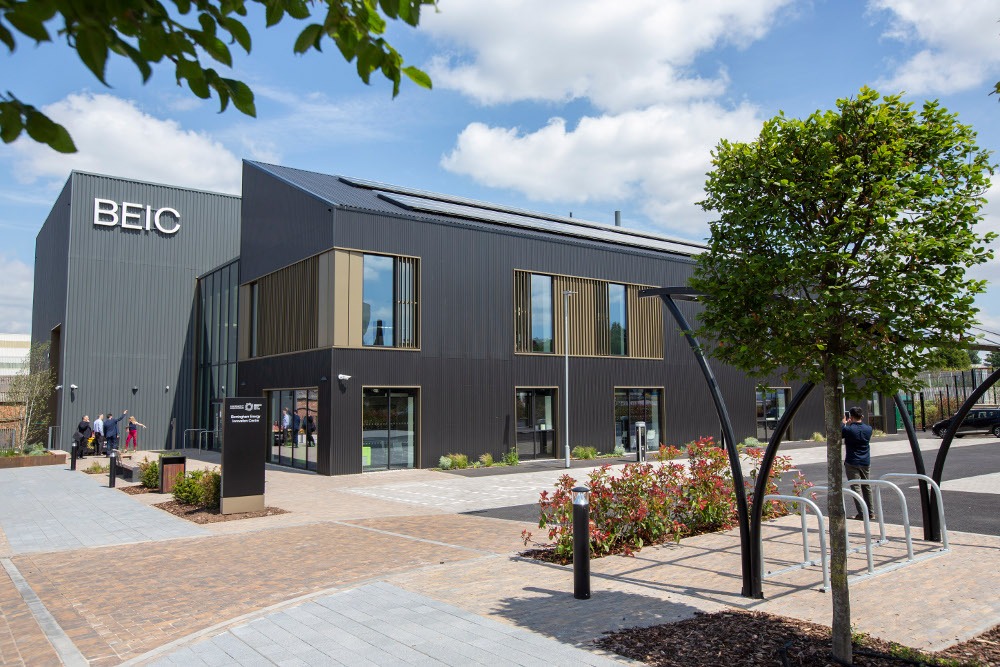
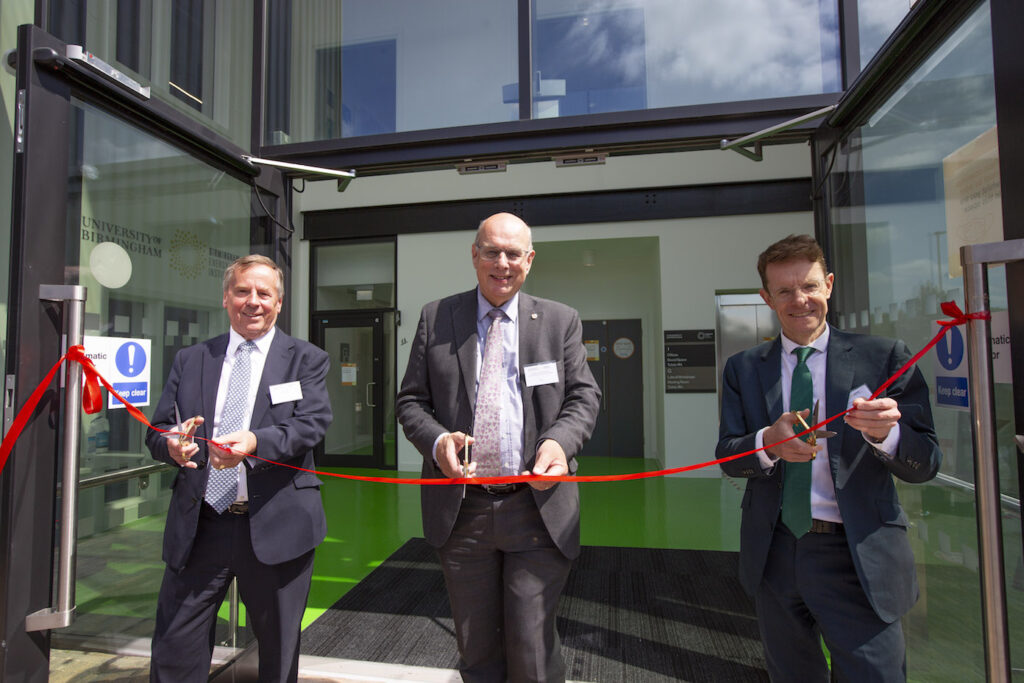
Birmingham Energy Innovation Centre officially opens, plans were announced for the UK’s first rare earth magnet recycling plant and Birmingham's first hydrogen bus is launched.
2023
City partners launched the Tyseley Environmental Enterprise District vision, establishing TEP Birmingham as a Green Energy and Innovation Quarter to drive Birmingham’s climate action.
2023 - 2025
Ongoing green tech programs, including incubator spaces, SME support, and business growth initiatives at the Birmingham Energy Innovation Centre continue to boost innovation and collaboration.
What Makes TEP Birmingham Different
10-Megawatt Biomass Plant
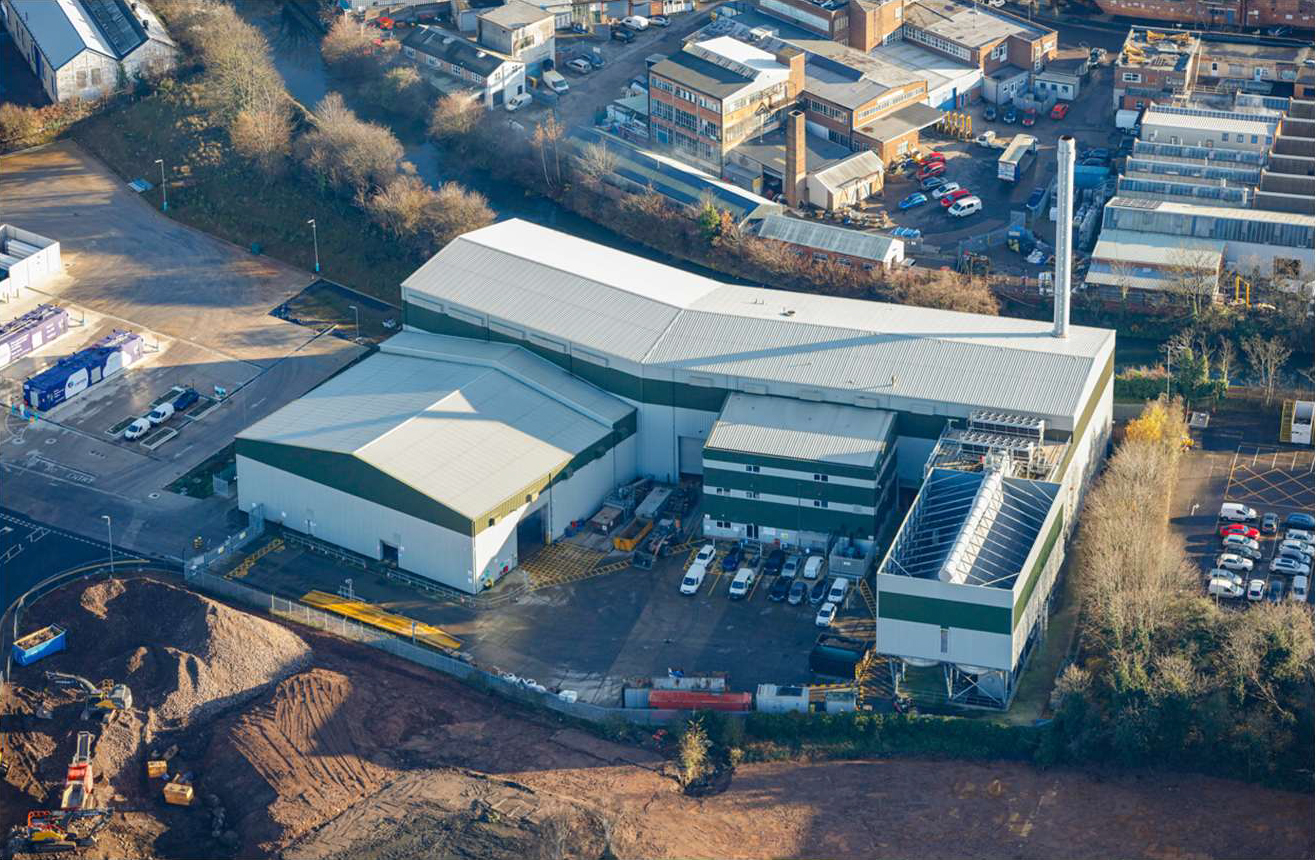
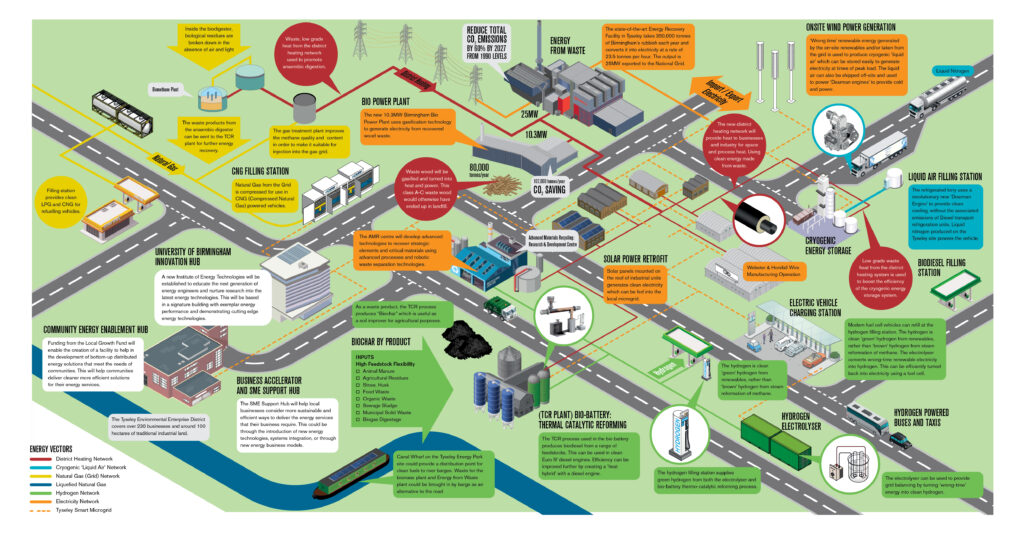
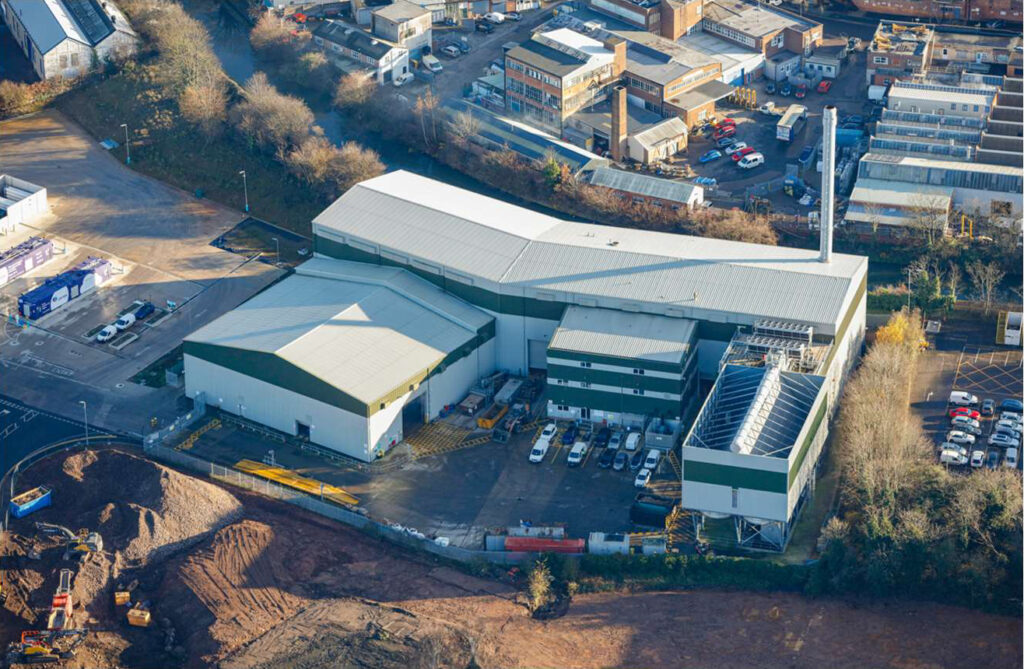
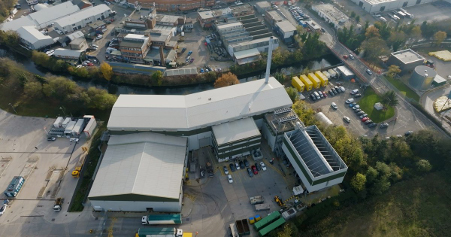
Supplying our companies with renewable electricity, our 10-megawatt biomass plant converts regional wood waste, diverting 72,000 tonnes from landfill.
Green Hydrogen Electrolyser
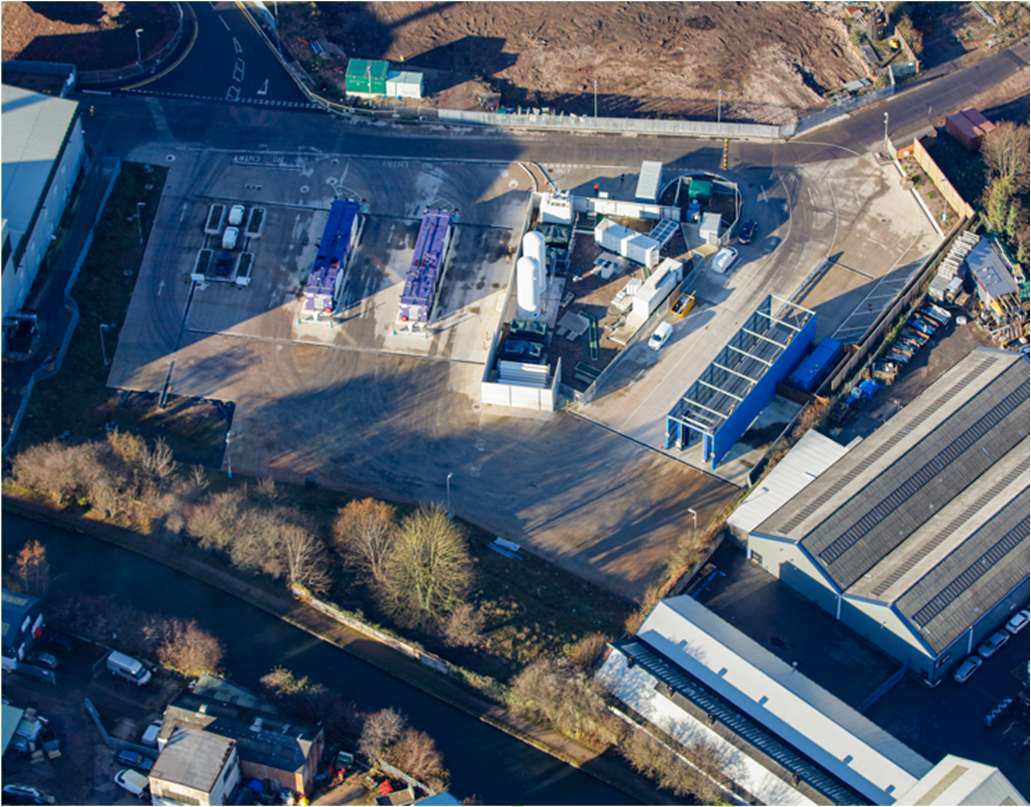
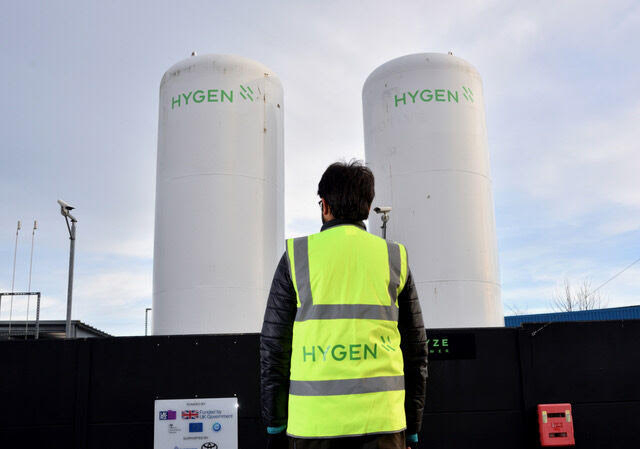
Producing over one tonne daily, Hygen’s Green Hydrogen Electrolyser powers up to 40 buses using renewable electricity for zero-carbon transport.
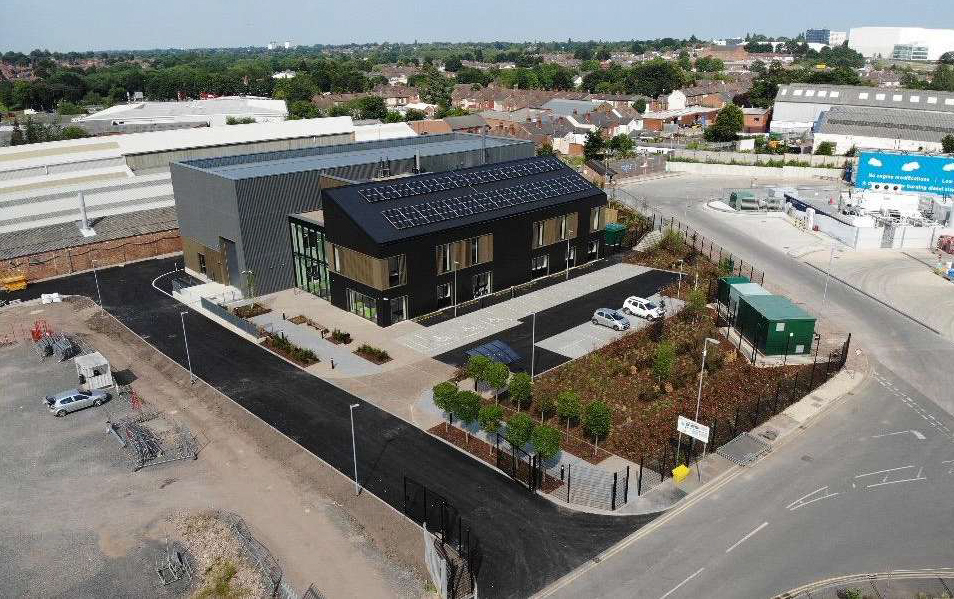
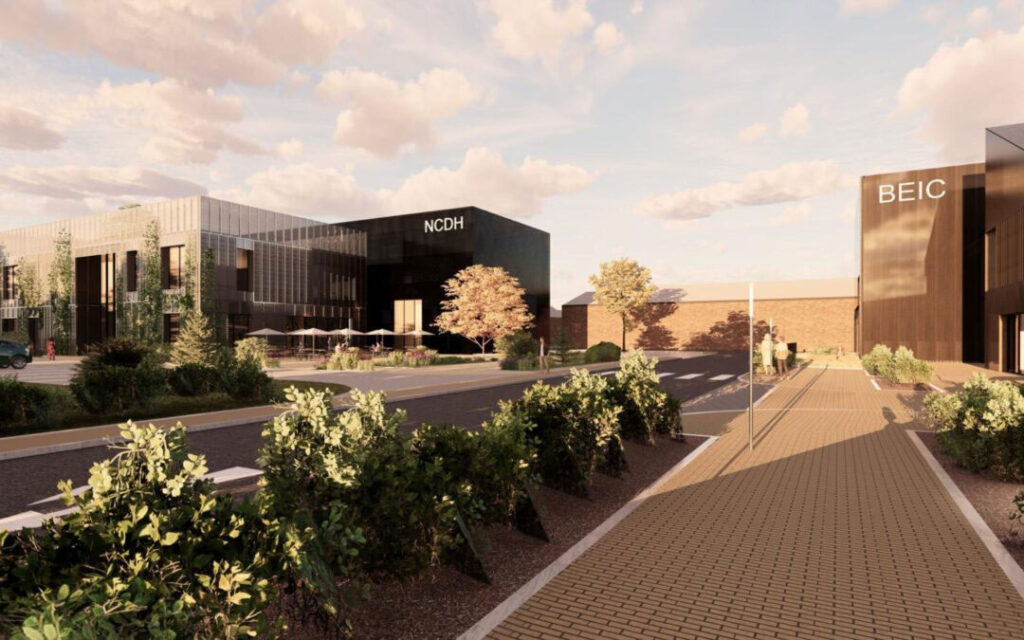
Birmingham Energy Innovation Centre
The University of Birmingham’s Birmingham Energy Innovation Centre promotes research and innovation in waste, energy, and low-carbon vehicle systems regionally.
The Faraday Institution’s Battery Recycling Programme
Hosting the University of Birmingham-led Faraday Institution battery recycling programme, advancing research into lithium-ion reuse for the UK’s circular economy.
The Cleantech Business Support Hub
The National Centre for Decarbonisation of Heat
The National Centre for Decarbonisation of Heat
Hosting the University of Birmingham’s National Centre for Decarbonisation of Heat, tackling fuel poverty and positioning the West Midlands as leaders in decarbonisation.
The National Centre for Decarbonisation of Heat
Hosting the University of Birmingham’s National Centre for Decarbonisation of Heat, tackling fuel poverty and positioning the West Midlands as leaders in decarbonisation.
Heritage, Structure, Partners and Funding
300-year History
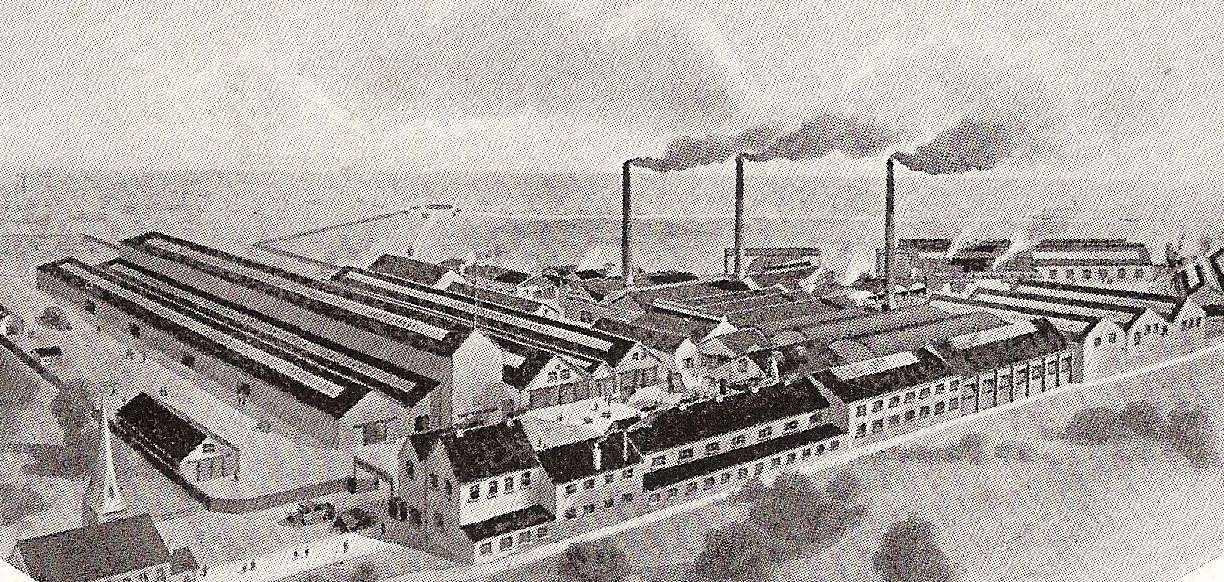
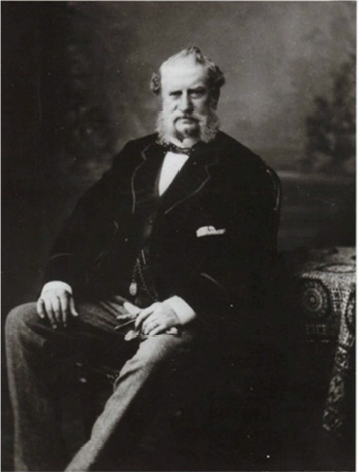
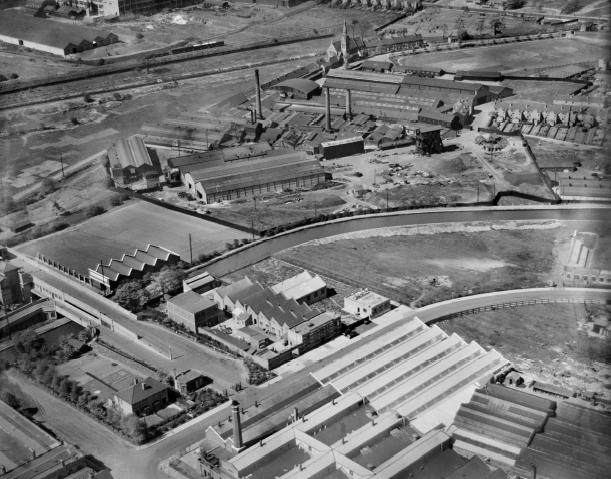
Tyseley Energy Park’s heritage is deeply rooted in the 300-year history of Webster & Horsfall, a family-owned business established in 1720. Renowned for pioneering patent steel wire used in the valve springs of internal combustion engines, deep cast mining, and the first successful trans-Atlantic telegraph cable in 1866, Webster & Horsfall embodied innovation from the Industrial Revolution to the present day.
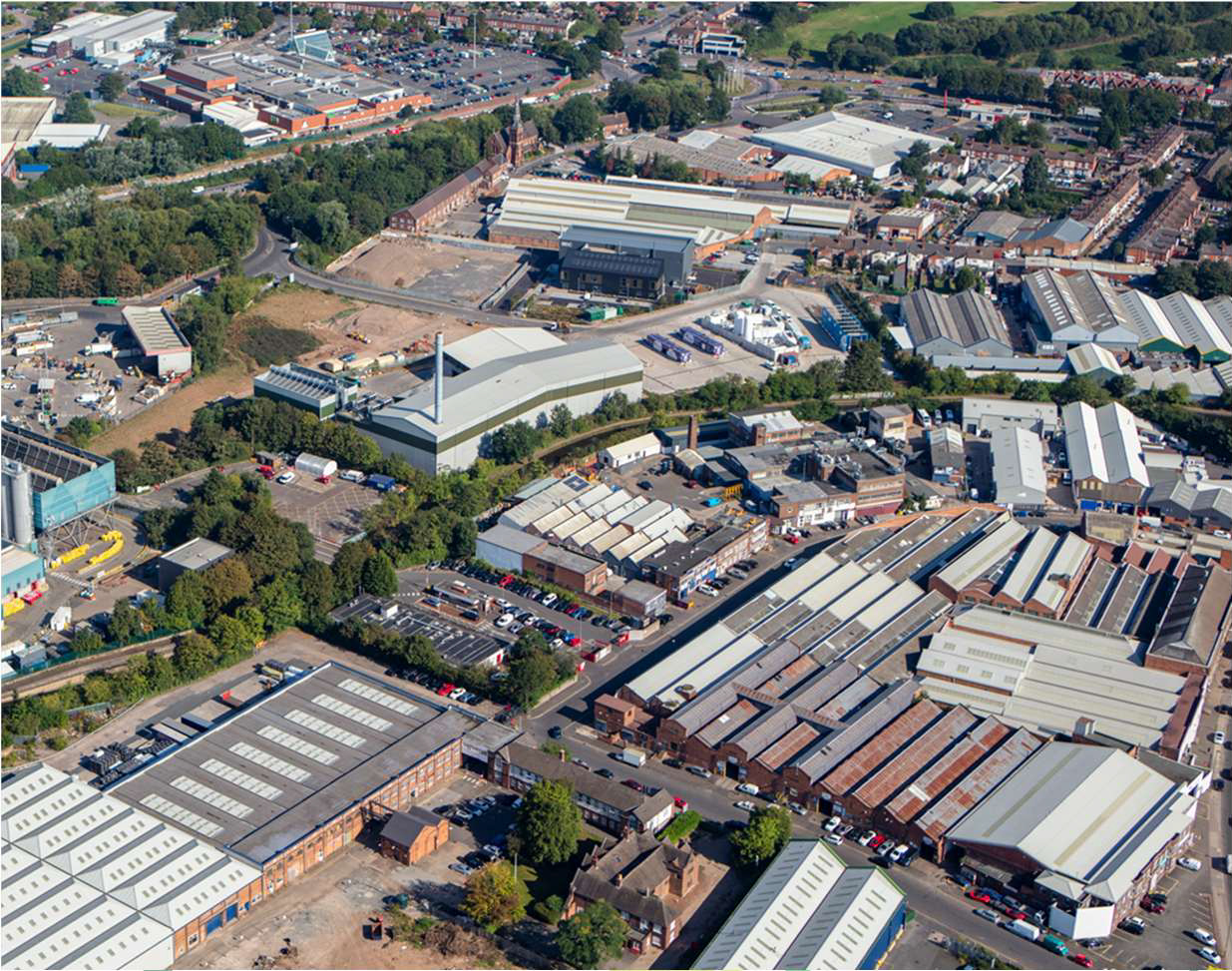
The site historically generated its own power and today continues to lead in sustainability through its 10MW waste wood biomass plant, which supplies renewable electricity to manufacturing operations on the site.
Strong Foundation
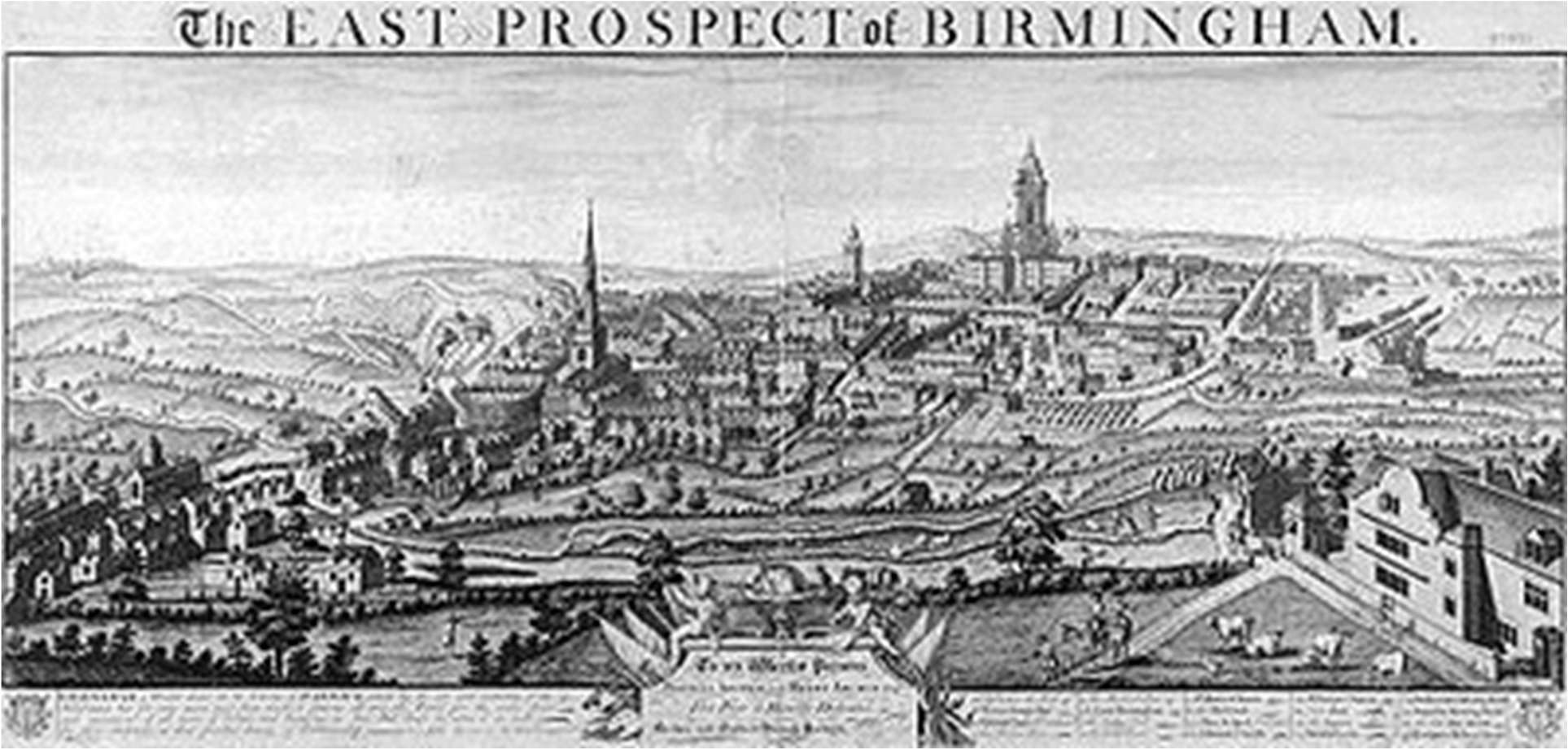
Birmingham’s rich industrial past provides a strong foundation for the transformational work underway at TEP Birmingham. While the city has experienced economic shifts over decades, including significant manufacturing decline, ongoing regeneration and a focus on advanced manufacturing and innovation, Birmingham positions itself as a vibrant centre for clean energy solutions.
TEP leverages heritage, expertise, and partnerships to address current energy and social challenges, creating a platform for new technologies that foster growth, sustainability, and opportunity.
Webster & Horsfall Group
Webster & Horsfall is the longstanding family-owned business and site owner behind TEP Birmingham. Established in 1720, it leads the stewardship and development of the historic industrial estate into a clean energy and innovation hub, while continuing specialist wire manufacturing on site.
This includes managing the site infrastructure, attracting and supporting tenant businesses, and driving initiatives that integrate clean technologies and foster collaboration with academic, industrial, and government partners.
Tyseley Energy Enterprise District (TEED)
TEED serves as the coordinating body overseeing the strategic development and delivery of TEP Birmingham’s clean energy ambitions, fostering collaboration across industry, academia, and government.
Strategic Partners
Key partners include the West Midlands Combined Authority (WMCA), Birmingham City Council (BCC), and the University of Birmingham (UoB). These organisations provide investment, expertise, and policy alignment to support TEP Birmingham’s goals to drive regional net zero and economic growth.
Governance Principles
TEP Birmingham operates with transparency, collaboration, and a long-term focus on sustainable development, inclusive growth, and scalable low carbon innovation.
Funding & Investment Approach
TEP Birmingham’s funding model combines private investment from Webster & Horsfall with public sector grants and research partnerships. Investment focuses on strategic infrastructure enabling technology scale-up and regional clean growth objectives.
With our 300-year industrial heritage providing the foundation for innovation, we offer policymakers and investors the opportunity to witness how breakthrough technologies scale from laboratory research to operational deployment.
David Horsfall, Director of Property & Sustainability, TEP Birmingham
Leadership & Team
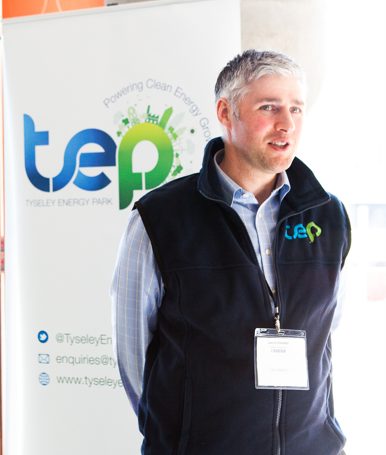
David Horsfall
Director of Property & Sustainability
David is a Chartered Surveyor with a passion for creating sustainable developments and has played a key role in the transformation of Tyseley Energy Park.
Robert Horsfall
Director of Finance & Strategic Projects
Robert is involved in regional projects, such as the West Midlands Canal Prospectus, and works with the leadership team on strategic initiatives.
Alex Helliwell
Director of Engineering
Alex leads engineering and project delivery across Tyseley Energy Park, driving the development of energy infrastructure and innovation assets.
Mahvish Hussain
Front of House and Office Coordinator
Mahvish is a key point of contact for tenants, visitors, and internal teams, responsible for front-of-house operations, office coordination, and supporting administration, tenant engagement, and marketing activities.